Introduction
New Year celebrations hold a special place not only in Russia but around the world and improving your English vocabulary can help you make the most of all the holidays. In Russia, you mark the arrival of the year with warmth, family, and traditions that connect generations. The holiday is more than a calendar change; it’s a moment to reflect, make wishes, and start fresh. When you learn vocabulary related to the New Year in English, you gain the ability to share your traditions with others, understand how people celebrate in different countries, and participate in global conversations. You can describe your favorite customs, ask questions about foreign traditions, and write messages that feel genuine and festive. This article helps you build that skill step by step. You will explore Russian New Year traditions, compare them with celebrations in English-speaking countries, learn essential vocabulary, and practice with simple activities and prompts. By the end, you will be ready to talk confidently about the holiday in English and share your own experiences.
Section 1: New Year Traditions in Russia
In Russia, New Year’s Eve is the centerpiece of the holiday season. You typically gather with family and friends on the evening of December 31, set a generous table, and wait together for midnight. The New Year’s Eve dinner is full of classic dishes that carry memories and meaning. You might serve Olivier salad, herring under a fur coat, cold cuts, pickled vegetables, caviar, and tangerines. While you prepare and enjoy these foods, you exchange stories, watch festive TV programs, and listen to the president’s annual address. This evening is about good company and hopeful beginnings; it helps you welcome the year with comfort and joy.
Ded Moroz, or Father Frost, is a beloved figure of the season. He is the traditional bringer of gifts who travels with his granddaughter, Snegurochka—the Snow Maiden. You recognize them in blue or red coats trimmed with fur, with Ded Moroz carrying his staff and wearing a long beard. Unlike Santa Claus, Ded Moroz often visits celebrations and parties around New Year’s Eve rather than on Christmas. You may invite them to a school event or a family gathering, where they lead games, ask children to recite poems, and hand out small presents. Snegurochka adds a gentle, cheerful presence, helping Ded Moroz bring a sense of wonder to the festivities. When you learn to describe these characters in English, you clarify how they differ from Santa and an elf, and you help others understand the cultural roots of your holiday.
Fireworks are another powerful symbol of the Russian New Year. At midnight, you often hear bursts of light and sound across cities and towns. You might watch public displays or enjoy small fireworks with neighbors—always with safety in mind. The first seconds of the year are full of energy: you clink glasses, say “Happy New Year,” and take pictures. The midnight celebration also includes ringing clocks, traditional music, and a moment when you feel connected to the entire country. If you live in a big city, you might gather at a central square, enjoy concerts, and welcome the year together. When you talk about fireworks in English, you can use words like “display,” “show,” and “sparkle” to paint a clear picture for your audience.
Making wishes and resolutions is a cherished habit. You may write a wish on paper, burn it, and drop the ashes into your drink before midnight, then drink it as the clock strikes twelve. You may also set resolutions for health, work, or personal growth. You choose goals that feel realistic and meaningful. This tradition helps you reflect and plan, and it gives you a story to share when friends ask about your hopes. Learning the English vocabulary for “wish,” “resolution,” and “goal” helps you explain what matters to you and discuss your plans with others.
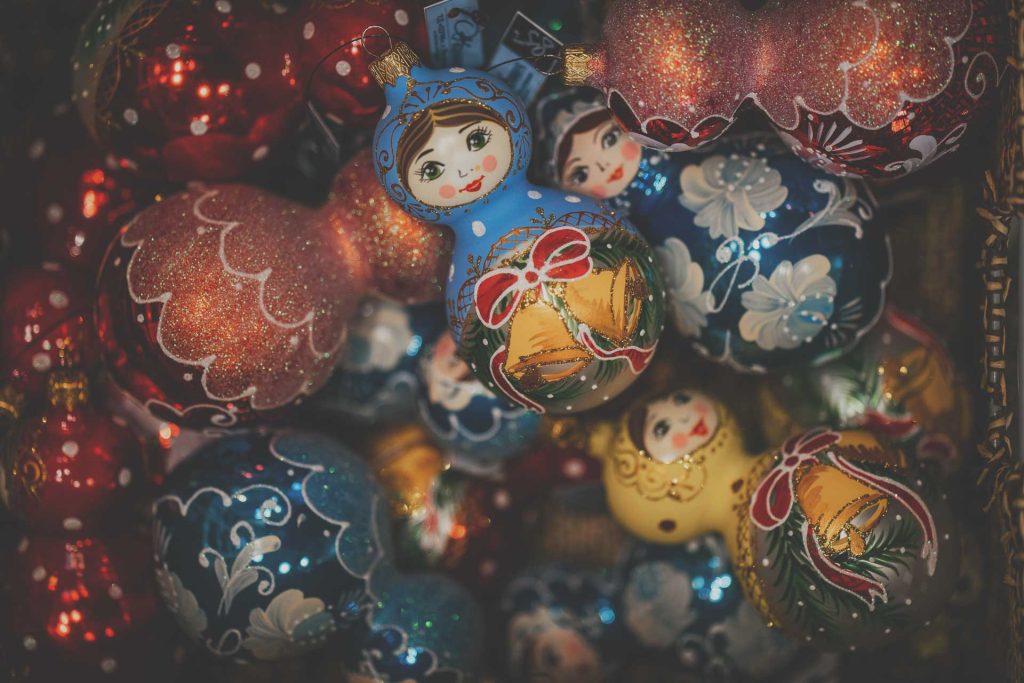
New Year decorations are part of the atmosphere. You decorate the New Year’s tree with ornaments, lights, and garlands. You add paper snowflakes, hang tinsel, and place figures of Ded Moroz and Snegurochka near the tree. The smell of pine, the sound of winter songs, and the warm light from the ornaments create a sense of magic. When you describe these decorations in English, you can use words like “ornaments,” “garlands,” and “lights” to share the details that make your home feel festive.
Section 2: New Year Traditions in English-Speaking Countries
When you look at New Year celebrations in English-speaking countries, you find different customs and a similar excitement. In the United States, one of the most famous events is the ball drop in Times Square, New York City. You watch a giant crystal ball descend as crowds count down the final seconds. The celebration includes live music, performances, and confetti that showers the streets. If you talk about this event in English, you can use phrases such as “watch the ball drop,” “count down to midnight,” and “ring in the New Year.”
Across the USA, people host New Year’s parties with friends and family. You might serve finger foods, sparkling drinks, and sweets, and you often make a “toast” at midnight. Some people go to concerts or watch fireworks in public spaces. Others prefer quiet dinners and small gatherings at home. You may hear “Happy New Year!” shouted in the street, and you see decorations like balloons, banners, and streamers in gold and silver. In the USA, Christmas is usually the main gift-giving holiday, so New Year gifts are less common than in Russia. However, you still exchange cards and good wishes, and you might bring a small present to a party host.
In the United Kingdom, you see traditions that vary by region. In London, you watch fireworks near the Thames and Big Ben. You may listen to the clock chimes at midnight and celebrate with crowds near iconic landmarks. In Scotland, Hogmanay is a significant celebration marked by street parties, music, and customs such as “first-footing,” in which the first person to enter a home after midnight brings luck and may bring gifts, such as coal or bread. When talking about Hogmanay in English, you can mention “street parties,” “torchlight processions,” and “first-footing” to convey the holiday’s unique flavor.
Other English-speaking countries have their own styles. In Canada, you find fireworks, ice skating events, and outdoor gatherings, especially in colder regions. In Australia, summer weather makes the holiday feel different: you watch massive fireworks over Sydney Harbour and enjoy outdoor parties or beach celebrations. In New Zealand, you welcome the year earlier than in Europe and North America due to time zones, and you might attend festivals and family events with a relaxed atmosphere. When you compare these traditions, you notice that midnight fireworks, parties, and toasts are common themes, while gift-giving on New Year’s is less central than in Russia.
A key difference lies in the role of the New Year compared to that of Christmas. In many English-speaking countries, Christmas is the main family holiday with gift exchanges on December 25. The New Year is about parties, public events, music, and making resolutions. In Russia, the New Year has more warmth and gift-giving than others associate with Christmas. When you learn English vocabulary to discuss both holidays, you can explain these differences clearly and show how your traditions bring people together.
Section 3: Key Vocabulary for New Year Celebrations
To talk about the New Year in English, you need practical vocabulary. Below are keywords with simple explanations and examples. Read each term, learn the meaning, and practice using it in sentences.
- Celebration: A happy event or activity to mark a special time. Example: “We planned a New Year celebration with our family and friends.”
- Festivities: Activities and events that are part of a celebration. Example: “The city organized festivities with music, dancing, and fireworks.”
- Resolution: A promise you make to yourself to improve something in the new year. Example: “My resolution is to exercise three times a week.”
- Decorations: Items used to make a place look festive. Example: “We put up decorations, including lights and garlands, before New Year’s Eve.”
- Ornament: A small decorative item, often hung on a tree. Example: “I bought a snowflake ornament for our New Year’s tree.”
- Garland: A string of flowers, leaves, beads, or tinsel used for decoration. Example: “We hung a silver garland across the window.”
- Fireworks: Explosive displays that produce light and sound in the sky. Example: “We watched the fireworks at midnight and took photos.”
- Countdown: The counting of seconds until an event, such as midnight on New Year’s Eve. Example: “Everyone joined the countdown and shouted ‘Happy New Year!’ at zero.”
- Toast: A short speech or expression of good wishes made while raising a glass. Example: “He made a toast to health and happiness in the new year.”
- Cheers: A word you say when you clink glasses to celebrate. Example: “We raised our glasses and said, ‘Cheers!'”
- Wish: A hope or desire for something to happen. Example: “I made a wish for peace and success in the new year.”
- Tradition: A custom or practice passed down through generations. Example: “It’s our tradition to have Olivier salad on New Year’s Eve.”
- Party: A social event where people gather to celebrate. Example: “We went to a New Year’s party with our neighbors.”
- Confetti: Small pieces of colored paper thrown during celebrations. Example: “Confetti covered the street after the Times Square event.”
- Midnight: Twelve o’clock at night; the moment the new day begins. Example: “At midnight, we hugged and wished each other a Happy New Year.”
- Invitation: A written or spoken request asking someone to join an event. Example: “I sent an invitation to my classmates for our New Year gathering.”
- Host: The person who organizes a party and welcomes guests. Example: “As the host, I prepared snacks and music for everyone.”
- Guest: A person invited to attend an event. Example: “Each guest brought a small dish to share.”
- Tradition bearer: A person who keeps a custom alive. Example: “My grandmother is a tradition bearer who teaches us old New Year songs.”
- Festive: Cheerful and suitable for a celebration. Example: “The house felt festive with lights and music.”
- Sparkler: A handheld firework that produces sparks. Example: “We lit sparklers and wrote our names in the air.”
- New Year’s Eve: December 31, the day before the new year. Example: “We spend New Year’s Eve with family.”
- New Year’s Day: January 1, the first day of the year. Example: “On New Year’s Day, we visit friends and relax.”
- Resolution tracker: A tool or plan for keeping your resolutions. Example: “I use a resolution tracker to measure my progress.”
Practice these words in short conversations. For example:
- “What are your New Year’s Eve plans?”
- “We have a small celebration at home. At midnight, we do a countdown and make a toast.”
- “What is your resolution this year?”
- “My resolution is to study English for 30 minutes every day.”
Section 4: Fun Activities for Learning
When you learn English, you need both vocabulary and practice. The New Year offers many creative activities that help you improve your skills while enjoying the holiday theme.
- Create New Year cards in English: Make cards for your family and friends with wishes and messages. Start with a simple greeting: “Happy New Year!” Add a short message: “Wishing you health, joy, and success.” Include a personal note: “Thank you for your support this year.” If you want to use more advanced language, write a short toast: “May the new year bring us new opportunities and strong friendships.” You can use colorful pens, stickers, and printed pictures. If you make digital cards, try a free design tool and add English phrases with nice fonts. As you write, check your spelling and practice grammar. Use complete sentences and keep your tone warm and polite.
- Try a vocabulary quiz: Make a short quiz for yourself or classmates. Write ten words from the vocabulary list, and then write definitions without the word. Match them, or write sentences using each word. For example, “I will keep my ______ by studying three times a week.” Answer: “resolution.” You can also create multiple-choice questions: “Which word means a short speech while raising a glass?” a) confetti b) toast c) garland d) ornament. If you learn with a group, take turns asking and answering. Set a small reward for the highest score, like choosing the next song or receiving a fun sticker.
- Create a word search: Make a grid with letters and hide New Year-related terms such as “celebration,” “fireworks,” “resolution,” “cheers,” “countdown,” “toast,” “ornament,” “garland,” and “confetti.” You can add Russian words on the side if you want a bilingual challenge. As you search, pronounce each English word and use it in a sentence. If you teach younger students, include images for each word on a separate sheet so they can connect the visuals with the vocabulary.
- Practice speaking with prompts: Use a timer and talk for one minute on a topic. For example, “Describe your New Year’s Eve dinner,” “Explain how the ball drop works in Times Square,” or “Tell a friend about your favorite fireworks show.” If you study alone, record your voice and listen for fluency and natural pauses. If you work with a partner, ask follow-up questions: “What food do you serve?” “Who do you celebrate with?” “What time do you start the countdown?” These questions help you expand your answers and build confidence.
- Short writing prompt: “Write about your favorite New Year tradition.” Choose one tradition, such as making a wish at midnight or inviting Ded Moroz to a party. Write five to eight sentences. Start with a clear topic sentence: “My favorite New Year tradition is making a wish at midnight.” Add details about what you do, who joins you, and why you love it. Use at least three vocabulary words from the list. End with a sentence that shows your feeling: “This tradition makes me feel hopeful and connected to my family.”
- Build a mini-dialogue: Create a conversation between two friends planning a New Year celebration. For example: A: “Are you free on New Year’s Eve?” B: “Yes, I am. Do you want to come to my celebration?” A: “I’d love to. What time does the countdown start?” B: “At 11:59. Bring a small snack. I’ll prepare a toast at midnight.” A: “Great. Cheers to the new year!”
- Make a resolution plan: Choose one resolution and create a simple plan on paper. Write your goal, steps, and schedule. For example, “Goal: Study English for 30 minutes every day. Steps: Use a textbook; listen to one short podcast; write one paragraph. Schedule: 8:00 p.m. Monday to Friday.” Pin the paper on your wall. Each day, check the plan and mark your progress. This habit helps you stick to your resolution and improve steadily.
- Combine culture and language: Watch a short English video about New Year celebrations in the USA or UK. Take notes on new words. Then watch a Russian video about Ded Moroz and Snegurochka. Compare the two. Write three sentences about similarities and differences: “Both countries love fireworks. In Russia, gift-giving is more common during the New Year than in the USA. In the UK, Hogmanay has special customs like first-footing.”
Conclusion
Understanding New Year traditions through an improved English vocabulary helps you connect with people across cultures and speak with confidence. When you learn the words for “celebration,” “festivities,” “resolution,” “decorations,” “toast,” and “cheers,” you can describe your plans, share your wishes, and enjoy conversations at parties and events. When you compare Russian customs with those in the USA, UK, and other countries, you see how different cultures express hope and joy in their own ways. This awareness makes your language learning richer and more personal. Keep practicing with the activities in this article. Write cards in English, create a word search, build dialogues, and set a clear resolution plan. Most importantly, share your own traditions with classmates and friends. Ask them about their favorite customs and listen carefully. When you talk about the New Year in English, you not only improve your language skills—you also share who you are and learn from others. Celebrate the new year by speaking, writing, and connecting, and carry that confidence into every conversation.